HOW TO PREP A WALL FOR PAINTING
Category: Paint & Decorating Materials
Published: 09/02/2023
When it comes to painting walls, prepping your walls beforehand will ensure a much better finish. Investing a little more time and care at the start is more than worth it.
How to prepare damaged surfaces
Walls that have already been painted are fairly easy to prepare for new paint, but it’s worth checking for any cracks or holes so that you get that professional finish.
Tools for the job:
Step 1: Clean with sugar soap before you fill as any dust could stop the filler sticking to the wall.
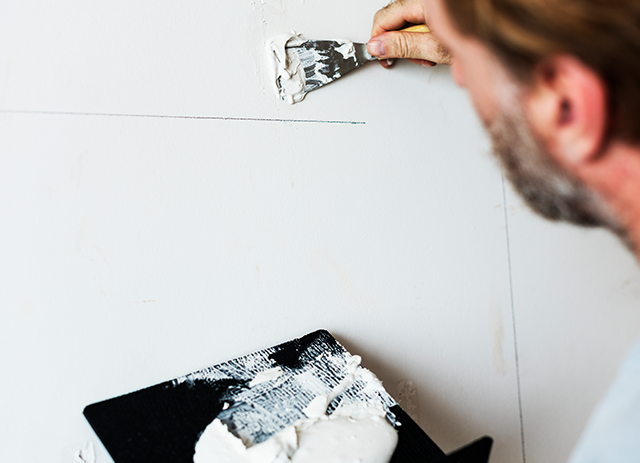
Step 2: Take your filling knife and push filler into the gap until smooth with the wall.
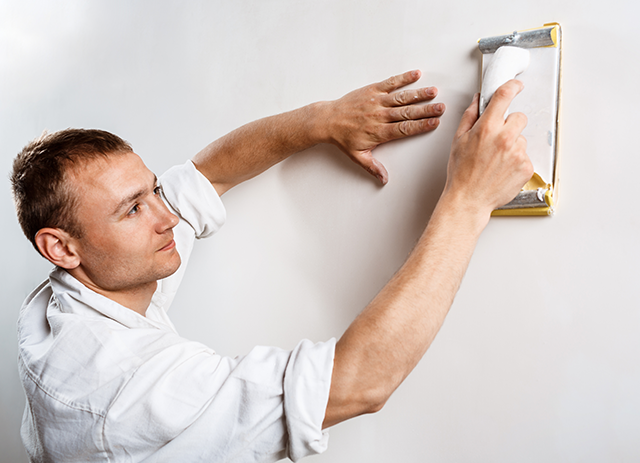
Step 3: Let the filler to dry, then smooth down with a fine sandpaper – it’s useful to note that even if the wall isn’t damaged, rubbing the whole wall with a fine sandpaper will give the wall a texture and help the paint bind to the surface.
Clean the walls
Tools for the job:
Remove any grease, crayon or mucky fingerprints with a sugar soap solution. This comes as either ready-mixed or as a solution to mix with water. Wear gloves and apply the sugar soap to the walls. Once all walls have been cleaned, give the surface a final clean with warm water to remove any soap traces. Leave the walls to dry thoroughly.
How to prepare new plaster for painting
Fresh plaster is porous meaning its a thirsty surface, and if you paint onto porous surfaces without any prior treatment, then the first coat of paint will get heavily absorbed (potentially unevenly), requiring more paint and more work to get a consistent finish.
For fresh plaster, we always recommend that you use a primer before you start your paint job.
How to prepare a gloss/ high sheen surface for painting
As gloss/ sheen can be a really difficult surface for a multi-surface paint to adhere to, we’d recommend:
A really thorough sand so that none of the sheen/ gloss is left
Clear away any dust with a warm, wet cloth and let this dry
How to prepare walls after removing wallpaper
Working on a previously wallpapered surface? Wallpaper hung with paste can be tricky to remove. Take it off carefully using a stripping knife, taking extra care not to damage the plaster behind.
If a few scraps of wallpaper are holding on for dear life, soak with a sponge and hot water to soften before stripping. Finish off by sanding lightly with a fresh piece of sandpaper.
What tools do I need to apply paint to a wall?
Although a paint roller is the best application tool for larger surfaces, invest in a couple of smaller brushes to reach trickier areas, such as around window frames and behind radiators. Don’t forget to get the trusty masking tape you’ll need to protect your skirting boards and dust sheets to protect any furniture that may be in the room.