Autumn is your opportunity tidy up your garden and get rid of left over weeds and rubbish from the summer, tidy your borders, clear out your gutters, and more. The more you do this season means less to do in the Spring
1. Autumn Clean
Remove everything from your greenhouse and sweep out plant debris. Spraying Wet & Forget Mould, Lichen & Algae Remover will help to remove moss, mould, lichen and algae - no need for special equipment, just a garden sprayer.
Also, clean pots and seed trays in preparation for spring sowing and planting.
.png)
2. Tidy Up Borders
To ensure a vibrant display next spring, dig up annuals and plant your beds with winter pansies, bellis daisies and wallflowers. Cut back perennials to 5cm above ground level, but don't be too tidy – attractive seed heads are great for insects and look wonderful covered in autumn dew. Once your borders are clean and tidy, spread a thick layer of compost, bark chips or well–rotted manure. Don't worry about digging it in – let the worms do the hard work for you.
3. Look After Your Lawn
Remove moss using a spring-tined rake and add it to the compost heap. If you have large amounts of moss, you may want to use a moss killer on your lawn first. Brush in a sandy top dressing afterwards, followed by an application of autumn lawn feed to prepare your lawn for the cold winter months.
Improve drainage and aeration around paths and play areas by making deep holes with the prongs of a garden fork at 10cm intervals. Autumn is a great time to lay new turf too, giving it plenty of time to establish before next summer.
.png)
4. Make Leaf Mould
Leaf mould adds structure and organic matter to your soil and is a great way to recycle fallen leaves. Choose a sheltered spot and position your wheelbarrow. Fill with leaves, sprinkle with water and leave.
Once the leaves reach a crumbly texture, spread as a mulch throughout your borders.
.png)
5. Clear Out Compost Bins
The autumn clear up of borders and vegetable plots always generates a lot of plant material for your compost heap. Now is the ideal time to clear out last year's compost and use it around the garden, making room for this year’s waste.
If your compost isn't quite ready, turn it to improve decomposition, and create a new heap next to it for fresh organic matter. You can never have too much compost.
.png)
6. Plant Evergreens
Evergreens provide structure and interest during the drab months of winter. Warm soil and cooler air temperatures make autumn the perfect time to fill gaps in your borders with evergreens like sarcococca and daphne which provide glossy, green leaves and beautifully fragrant flowers even in the depths of winter.
For an elegant larger shrub, try spring flowering camellias, or fatsia for its large architectural foliage. Alternatively, box or yew are ideal choices for topiary enthusiasts, while Lonicera nitida, bay, and holly make wonderful formal shapes or excellent evergreen hedges.
.png)
7. Lift Tender Species
Lift tender species like begonias, dahlias, and cannas before the first frosts threaten. Snip back the stems and gently lift the tubers/rhizomes from the ground. Clean the soil from them and store in trays of dry compost or sand, with just the top of crown visible.
Put the trays in a cool, frost-free place over the winter ready for replanting when spring arrives and all risk of frost has passed. In very mild areas it may be possible to protect tender species without lifting them, instead covering the crowns with a thick blanket of mulch.
8. Maintain Garden Equipment
Before you store your lawn mower at the back of the shed for the winter, it’s well worth sending it for a service to ensure that it’s in perfect condition when you need it next spring.
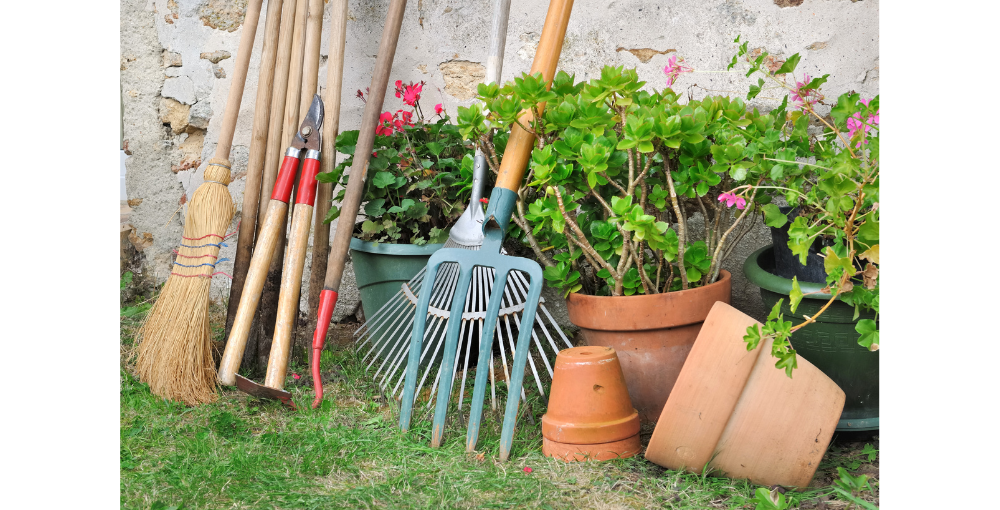
Shears and secateurs need sharpening – do this yourself or send them away if you prefer – while spades, forks, and other tools benefit from a good wash. Dry everything thoroughly and oil metal parts to prevent rust. Wooden handles can be cleaned and protected with linseed oil – but do dispose of rags carefully as linseed can combust as it dries.
9. Add Net Pond
Save time and effort later on by adding a net to your pond to catch falling leaves. These can turn your pond water foul and block filters on pumps the net will catch the leaves and they can be added to your leaf mould bin or compost heap.
10. Remove Shade Paint
As the nights draw in, make the most of the available light by scrubbing off shade paint from your greenhouse windows. This will allow more of the sun's rays through the glass helping winter temperatures to climb that little bit higher saving money on heating.
A bucket of hot water and some elbow grease is all it takes to bring the glass up sparkling clean. You can now check for any damaged panes and clean greenhouse gutters too.
Now your autumn garden is clean, tidy and ready for winter. Not only will the view from your house be so much more pleasant, you’ll have a head start when spring arrives and it’s time to get growing again.